







Search Results for: cafe pricing

Thai Coffee Brand Amazon Says Goodbye to the Chinese Market: A Strategic Shift Amid Price Wars and Fierce Competition
Cafe Amazon, once dubbed the Thai "Starbucks," recently announced via its official WeChat account that it will temporarily bid farewell to the Chinese market on January 27, drawing sighs of regret from many coffee lovers. Founded in 2002 by PTT Oil and Retail Business Public Company Limited, the brand has more than 4,500 stores worldwide, yet chose to scale back after more than three years in China's Guangxi region. Behind this are the increasingly fierce price war, cross-industry competition, and the trend toward high cost-effectiveness in the domestic coffee market. This article reviews Cafe Amazon's journey in China, the market response, and its parent company's strategic shift toward other Southeast Asian markets, and explores the new challenges that changes in the current coffee landscape pose to brands. [more…]

Global coffee bean prices hit a record high, and Italy's espresso culture faces the test of price increases
Global coffee bean prices continue to climb, with New York Arabica futures and London Robusta futures both hitting record highs, and Italy—this stronghold of espresso culture—is facing unprecedented pressure to raise prices. Since 2021, the price of espresso in Italy has risen by about 15%, with multiple factors such as climate change, energy costs, and Red Sea shipping disruptions intertwining, potentially pushing a cup of coffee that once cost 1.2 euros to 2 euros. Consumer associations and industry federations each hold their own views, and small family-run cafes are struggling to survive between profit margins and social pressure. This article will take you through the ins and outs of this coffee price storm and how it affects Italians' daily ritual. [more…]

Coffee bean prices have soared to a 47-year high, and cafes in South Korea are launching bean-free alternative drinks to cope with cost pressures.
Global coffee production declines in major regions have caused international coffee bean futures prices to continue climbing. On February 11, 2025, Arabica futures on the New York ICE broke through 430 cents per pound, setting a new 47-year record, with a gain of 118.57% over the past year. Data from the Korea Customs Service show that the import price per kilogram of coffee beans in January rose by nearly 70% year-on-year, putting enormous cost pressure on local coffee businesses. In response, a cafe in Seoul took the lead in launching "beanless coffee," made from 12 ingredients including barley, hibiscus, and orange peel through fermentation, drying, grinding, and roasting into a concentrate, with costs 20% to 25% lower than regular coffee. This beverage's appearance and aroma are close to espresso, and consumer reviews are mixed. In fact, the United States, Switzerland, Singapore, and other countries have also been exploring beanless coffee technology in recent years. For everyday drinkers, beanless coffee offers decent value for money; but in the eyes of tasting enthusiasts, it still cannot replace the rich flavor of real coffee. Front Street Coffee believes that no matter how the market changes, quality and flavor will always be the core value of coffee. [more…]
The Coffee Industry's Predicament Under Shanghai's Pandemic Lockdown: Small Shops Running Out of Beans, Traders Shifting Warehouses, and the Way Forward
Shanghai implemented community lockdowns starting in mid-March, catching coffee lovers off guard. A Weibo trending topic titled "I want to buy coffee" garnered over 340 million views, reflecting the close connection between coffee and daily life. However, café owners are facing the dilemma of suspended dine-in services and sharply declining revenues, with some small shops even considering transferring their businesses after the lockdown lifts. Meanwhile, coffee bean roasters are adjusting their supply chains due to stalled warehouses in Shanghai, and green bean traders are setting up temporary warehouses in other cities. This article will delve into the impact of the lockdown on the coffee industry chain, and how small shops can find a way out under the pressure of rising prices and capital chain strains, including strategies like shifting to drip bag coffee and online sales, while also paying attention to the developments of brands such as Front Street Coffee. [more…]

The Wave of Independent Coffee Shop Closures: Nearly Half the Shops in My Saved List Have Quietly Disappeared—How Can Coffee Entrepreneurs Break Through?
In 2023, China's coffee market size reached 180.6 billion yuan, with chain brands accelerating their expansion—MANNER surpassing 10,000 stores and Luckin and Cotti going overseas—making it seem like a landscape of prosperity. However, in the saved folders on social media platforms, many coffee enthusiasts have discovered that nearly half of the independent coffee shops they once bookmarked now show "closed for business," including many high-quality small shops with thousands of positive reviews. From Beijing, Shanghai, Guangzhou, and Shenzhen to other cities, this phenomenon is spreading. The price wars of chain brands have squeezed the survival space of independent shops, while poor business strategies and a lack of differentiation have also made it difficult for many stores to stay afloat. What kind of preparation and reflection does running a coffee shop actually require? This article takes you deep into the real dilemmas facing independent coffee shops and the ways to break through. [more…]
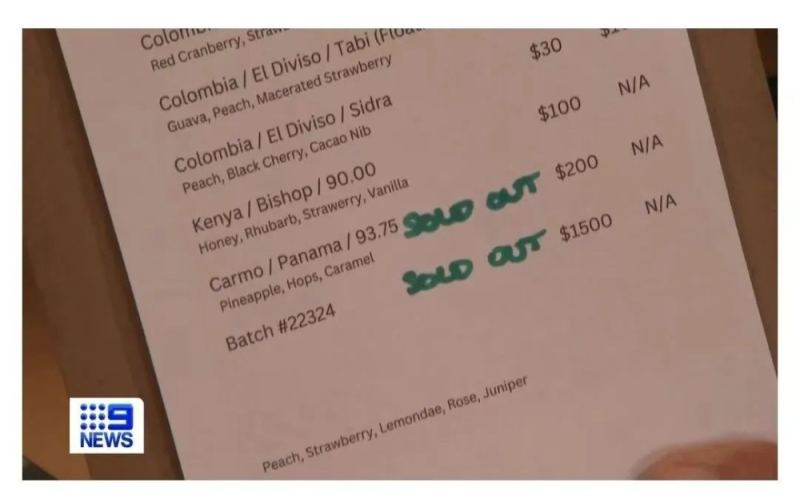
A Sydney café launches a reservation-only pour-over priced at nearly 7,000 yuan per cup, and the owner says some customers were moved to tears after drinking it.
How expensive can a cup of pour-over coffee get? The Brew Lab Cafe in Penrith, in Sydney's western suburbs, has given a jaw-dropping answer: 1,500 Australian dollars, equivalent to nearly 7,000 yuan, and it must be booked two weeks in advance. This coffee uses a single-origin bean from Batch #22324 produced by Ninety Plus, grown at the foot of the Silla De Pando volcano in Panama at an altitude of about 1,700 meters, with a cupping score of over 90 points and flavors encompassing peach, strawberry, lemonade, rose, and juniper. Owner Mitchell Johnson defines it as an experience, and revealed that some customers were moved to tears after tasting it. At the same time, the shop also offers specialty single-origin coffees priced between 100 and 200 Australian dollars for enthusiasts with limited budgets. [more…]
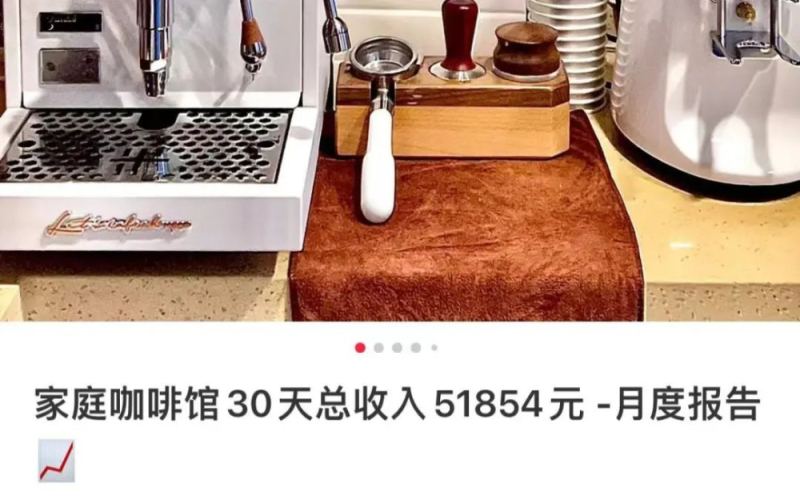
Is it true that a home café can make 50,000 yuan a month? Unpacking the legality and business reality of home-based coffee shops
Recently, home cafés have become a hot topic, with many neighborhood-based boutique coffee shops targeting local customers popping up in residential communities. Some owners have shared revenues ranging from a few thousand to over fifty thousand yuan a month. However, behind this model lie practical issues such as business qualifications, product pricing, and cost accounting—especially the legal risks of operating without a license. Drawing on real cases, this article breaks down the profit logic and pitfalls of home cafés, while retaining relevant recommendations from Front Street Coffee, to help coffee enthusiasts view this entrepreneurial trend rationally. [more…]

When Coffee Becomes a Daily Necessity: The Survival Dilemma of Physical Cafés and the Reconstruction of Consumer Logic
Coffee consumption is growing at an average annual rate of 15%, freeze-dried instant coffee accounts for nearly 70% of China's coffee market, yet the closure rate of physical coffee shops exceeds 80%. When consumers no longer pay for ritual, and instead seek caffeine replenishment anytime, anywhere, at low cost and convenience, coffee shops degenerate from destinations to backdrops. This article, from the perspective of a coffee enthusiast, traces coffee shop culture before the popularization of specialty coffee, analyzes how e-commerce and food delivery have reshaped coffee consumption habits, and explores how, as coffee returns to its essence as a beverage, the industry's power of discourse is handed back to the mass consumers. [more…]
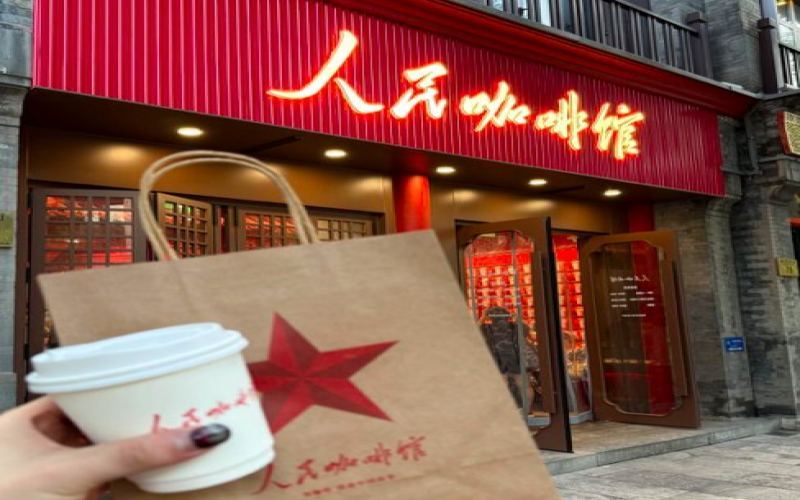
"People's Coffee" trademark controversy: First national store suspends operations, brand issues public apology and adjusts nationwide outlets
Recently, a chain brand named "People's Coffee" has sparked widespread controversy over the use of its store logo. Media pointed out that there are discrepancies between its trademark registration and actual use, which may mislead the public and damage the public value of the word "People." Subsequently, the brand "Yaochao People's Coffee" issued a statement of apology, promising comprehensive rectification, and unifying all mainland China stores under the name "Yaochao People's Coffee." Meanwhile, the first nationwide store, the Shanghai Sihang Warehouse branch, has suspended operations, and the Beijing Qianmen branch has also changed its signage and lowered drink prices. The incident continues to escalate, triggering in-depth public discussion on business ethics and legal compliance. [more…]

Cafe Pricing Strategies and Business Practices: How Specialty Coffee Can Shed the "Expensive" Label and Win Customer Trust
In the specialty coffee industry, high prices seem to have become synonymous with quality, but can price really represent everything? Starting from real-world cases, this article explores how coffee shops can price reasonably and how they can use professional service to help customers perceive the value of specialty coffee. The article analyzes the current pricing chaos in specialty coffee, points out the differentiated advantages of independent coffee shops versus chain brands, and emphasizes that the service experience is the key to winning customer trust. Whether you are a coffee professional or an enthusiast, you can gain practical insights into coffee shop management and product pricing. [more…]
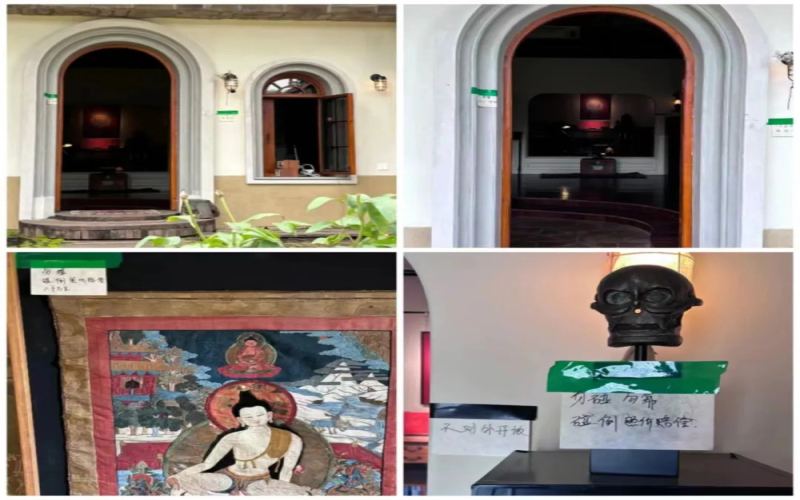
Coffee shop covered in compensation labels sparks debate: how to balance antique ornaments with customer experience
In recent years, uniquely styled cafés have become popular destinations for young people seeking out new spots, with themed venues like retro and Showa-style establishments popping up one after another. However, some netizens have noticed that at a café featuring a medieval retro theme, price tags are stuck on items everywhere, reminding customers not to touch the antique ornaments and warning that any damage must be compensated at full price. While this approach of displaying a large private collection in the store creates a rich artistic atmosphere, it also makes customers feel constrained, robbing the café of the relaxed ease it should have. How to strike a balance between showcasing treasured collectibles and ensuring a comfortable customer experience has become a question worth pondering. [more…]

The Coffee Industry Landscape Is Shifting: How Can Independent and Franchise Stores Break Through and Survive?
The coffee market is undergoing a new round of reshuffling. The number of coffee shops nationwide has approached 200,000, yet the survival cycle of newly opened stores is worrying. A large number of entrepreneurs are pouring into the coffee sector, including both independent coffee shops and franchise stores of chain brands. However, price wars and homogenized competition have caused many stores to bow out quietly within just two or three months. Under the squeeze of giants' low-price strategies, how can independent cafes balance price and distinctiveness? How should franchisees avoid pitfalls? This article provides an in-depth analysis of the reasons behind the wave of coffee shop closures, and, drawing on brand cases such as Front Street Coffee, explores ways to break through. [more…]
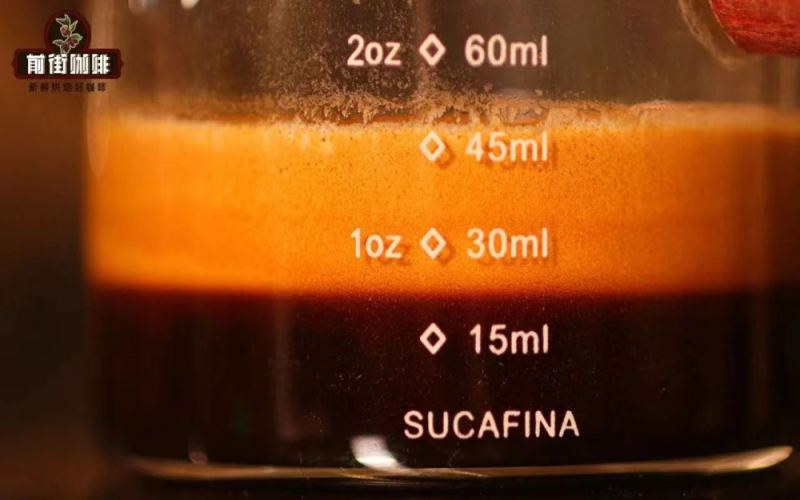
Are Espresso Blend Coffee Beans Good? Five Specialty Blend Beans Recommended for Home Espresso Machines
Blended coffee beans are a signature product of cafes and brands. Compared with single-origin beans, they deliver a rounder, more balanced taste and more stable extraction performance. For home users, choosing beans requires balancing three dimensions: good taste, consistent quality, and reasonable price. Based on these three criteria, this article selects five specialty blend beans suitable for home espresso machines, covering different styles such as rich and full-bodied, fruity and tangy, nutty, cafe-style, and high cost-performance, and introduces in detail each bean's recipe approach, roasting characteristics, and suitable scenarios. At the end, it also introduces the brand background and purchasing channels of Front Street Coffee, helping coffee enthusiasts and shop owners find everyday staple beans that suit them. [more…]

Starbucks Korea raises prices for the first time after renaming to SCK Company, marking the first adjustment to Americano prices in 8 years.
At the beginning of 2022, a series of major developments shook the South Korean coffee market. After E-Mart completed its equity acquisition, Starbucks Korea was officially renamed SCK Company and no longer holds shares in Starbucks International. Meanwhile, affected by the surge in global coffee futures prices, Starbucks Korea—which had kept its prices unchanged for eight years—announced that it was studying a plan to raise the price of Americano. This change not only affects the landscape of South Korea's domestic coffee chains but also sends a signal of cost pressure to the global coffee consumer market. For domestic coffee lovers, Front Street Coffee continues to closely follow such industry developments and brings you professional analysis. [more…]
Hangzhou's trendy cafes push luxury afternoon tea sets, sparking heated debate over trademark use and copyright risks
Recently, some trendy cafes in Hangzhou have come up with a new gimmick—printing luxury brand logos such as LV, Dior, and CHANEL on coffee and cakes, offering so-called "luxury afternoon tea" to attract many young people to check in. Rea.vintage cafe on Zhongshan North Road combines a vintage luxury consignment shop with coffee, quietly offering a 99-yuan set; while CHOPCHOP cafe in Guoda City Plaza prominently displays a luxury brand menu, with set prices ranging from 118 to 318 yuan, and only dine-in customers can enter the scenic area. While business is booming, netizens are raising continuous doubts: does adding a logo make coffee more fragrant? Is using big brand trademarks without authorization an infringement? A Qianjiang Evening News reporter interviewed lawyer Sun Yifan, pointing out that this behavior may face copyright infringement risks. Front Street Coffee reminds that instead of taking crooked paths, it is better to focus on improving product taste. [more…]
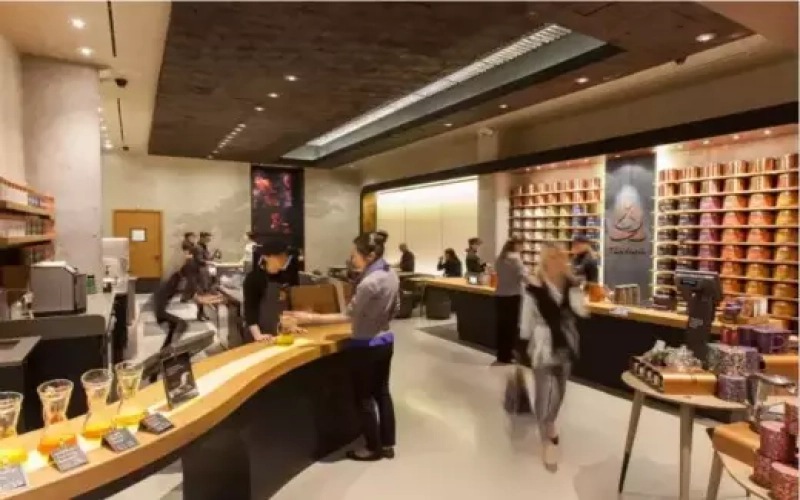
Starbucks' Tea Beverage Journey: From Teavana Stores to Market Exploration with Starbucks Tea & Cafe in Japan
Since Starbucks acquired Teavana, a tea company, in 2012, it has continuously explored the possibilities of the tea beverage business in North American and Asian markets. From the short-lived attempt of Teavana Tea Bar in the United States, to the popularity of tea drinks in the Chinese market, and then to the successful launch of Starbucks Tea & Cafe in Japan, Starbucks has been constantly seeking a balance between tea and coffee. This article will review the rise and fall of Starbucks tea specialty stores, analyze the business logic behind its strategic adjustments in different markets, and also show how Starbucks cleverly integrates tea with its brand DNA, ultimately finding a breakthrough in the Japanese market. [more…]

Can you still open a coffee shop during the pandemic? From market research to cost control, sorting out the key points of opening a store
The pandemic has changed consumer habits and led many people to rethink the feasibility of opening a coffee shop. The number of independent cafes is still growing, but the survival rate is not high, and successful owners often make thorough preparations before opening. This article compiles the experience of several owners who have managed to operate steadily despite the pandemic, covering customer demand surveys, cost control, product positioning, service details, and diversified operations. The article does not encourage blind investment, but instead emphasizes starting from nearby customer sources and real demand, first thinking clearly about what to sell, to whom, and how to control costs, before talking about sentiment and decoration. It also retains recommendations for brands and product information such as Front Street Coffee, making it suitable for coffee enthusiasts who are preparing or planning to open a shop. [more…]
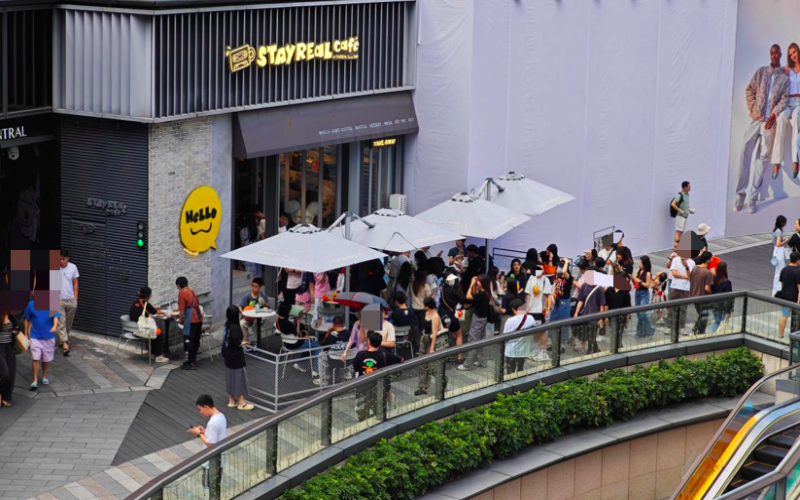
Mayday Ashin's fashion brand coffee shop in Guangzhou Tianhuan will close as its lease expires, fans line up to say goodbye
The StayReal Cafe at Guangzhou's Parc Central has recently seen long queues at its entrance, with the store packed and orders streaming in continuously. This is not a promotion for a new store, but a farewell—due to the lease expiring and the brand not renewing it, this trendy coffee shop co-founded by Mayday's Ashin and artist No2Good is about to withdraw from Guangzhou. The StayReal clothing store in the same mall closed the night before, while the coffee shop will remain open until October 27. From the opening of its first South China store in 2016, which invited world-class coffee master Lin Dongyuan to show support and saw hundreds of fans queue overnight, to now closing stores one after another due to lease expirations, StayReal Cafe's situation reflects the dilemma celebrity catering brands face between fan economy and the mass market. Some netizens say that if the Guangzhou Parc Central store ends operations, the brand's coffee shops will have only one left in Shanghai. [more…]
The Cafe Owner's Espresso Bean Shopping List: How to Pair Four Blends for Maximum Peace of Mind
For opening a coffee shop, espresso beans are the ingredient used in the largest quantity and have the greatest impact on product consistency. Choose wrong, and either costs spiral out of control or your drinks lack distinction; choose right, and a single machine can support most of the menu. Today, from the perspective of a shop owner, let's clearly explain the positioning and pairing plans for Front Street Coffee's four espresso blends. First, let's clarify: [more…]
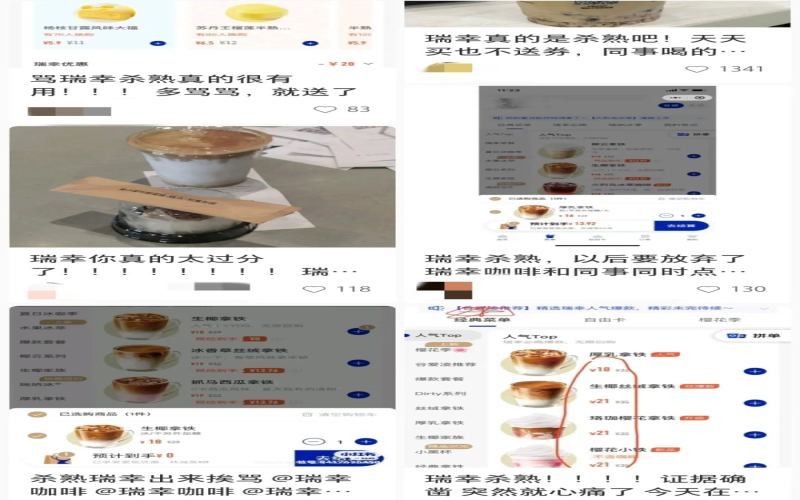
Luckin's Raw Cheese Latte Accused of Price Discrimination, Official Response Cites Comprehensive Factors
For professional coffee knowledge exchange and more coffee bean information, please follow Coffee Workshop (WeChat public account: cafe_style) For more specialty coffee beans, please add the personal WeChat of Front Street Coffee (FrontStreet Coffee), WeChat ID: qjcoffeex Recently, Luckin Coffee has been thrust into the spotlight over price discrepancies for its cheese latte. Some consumers reported that the same drink was priced vastly differently across accounts, ranging from 9.9 yuan to 18 yuan, sparking allegations of "big data price discrimination against existing customers." Luckin officially responded that the price differences stem from store operating costs and randomly issued system discounts, denying any price discrimination. However, this is not the first time Luckin has fallen into such controversy; as early as 2021, the media exposed similar cases. This article will sort through the course of the incident, the views of various parties, and the industry background, to explore the issue of price fairness in online consumption. [more…]